
MEXOCELL
Cell application technology key visual

Cell-Based Application Technologies

Very Small Embryonic- Like Stem Cells

Very Small Embryonic-Like Stem Cells (VSELs) are extremely tiny stem cells present in adult bone marrow, peripheral blood, and umbilical cord blood. Measuring only 3 to 5 micrometers in size and occurring in exceptionally rare quantities, VSELs possess differentiation potential similar to embryonic stem cells, with the capacity to differentiate into various tissue cells across all three germ layers of the body.

Advantages of VSELs

Compared to multipotent Mesenchymal Stem Cells (MSCs), VSELs are pluripotent stem cells whose scope of application includes:

  • Capable of differentiating into a broader spectrum of cell types
  • Greater differentiation speed and regenerative capacity
  • No risk of tumorigenicity / carcinogenesis
  • Safer and more efficient sourcing

Compared to Embryonic Stem Cells (ESCs), VSELs are safer and more practically applicable, with key differences including:

  • Free from ethical controversy or sourcing disputes
  • High safety with no risk of tumorigenicity / carcinogenesis
  • No issues with uncontrollable differentiation or tissue repair direction
  • Possesses powerful and rapid regenerative and repair capabilities
Omnipotent monocyte illustration

Omnipotent Monocytes

Omnipotent Monocytes (OPMs) are derived from a patient's own monocytes. Under specific induction, they exhibit high plasticity and can reactivate pluripotency genes. OPMs can differentiate into:

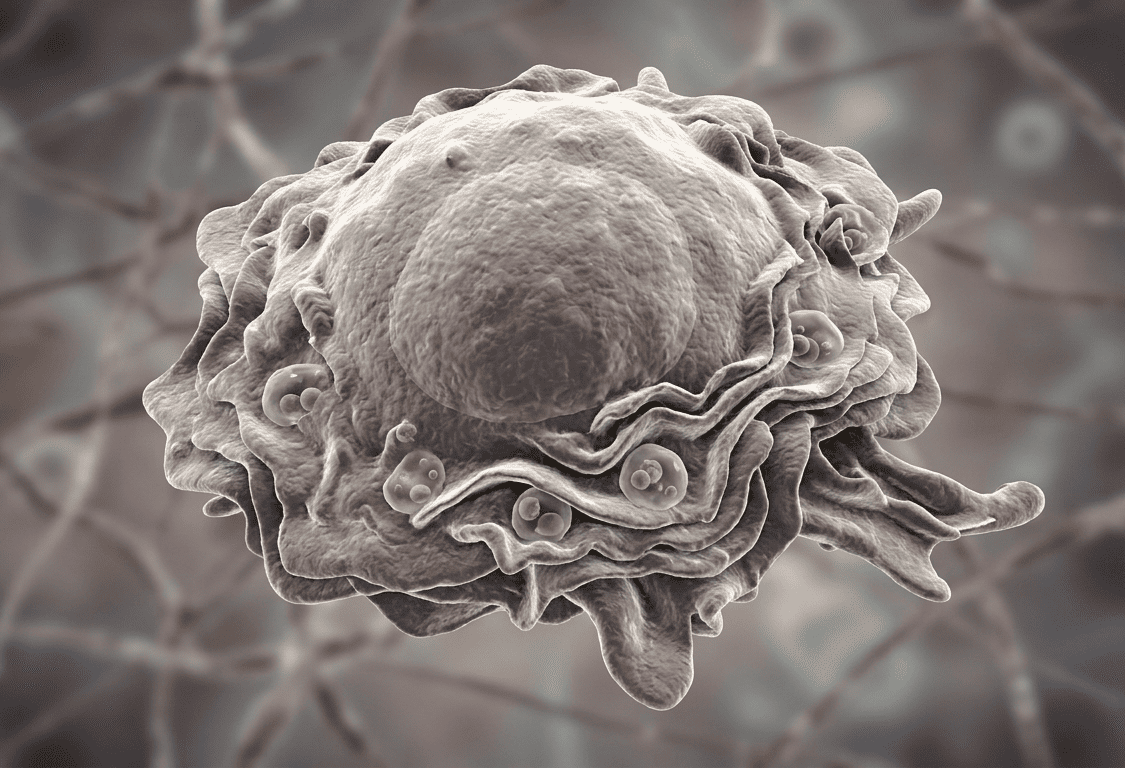
Microscopic image of a macrophage

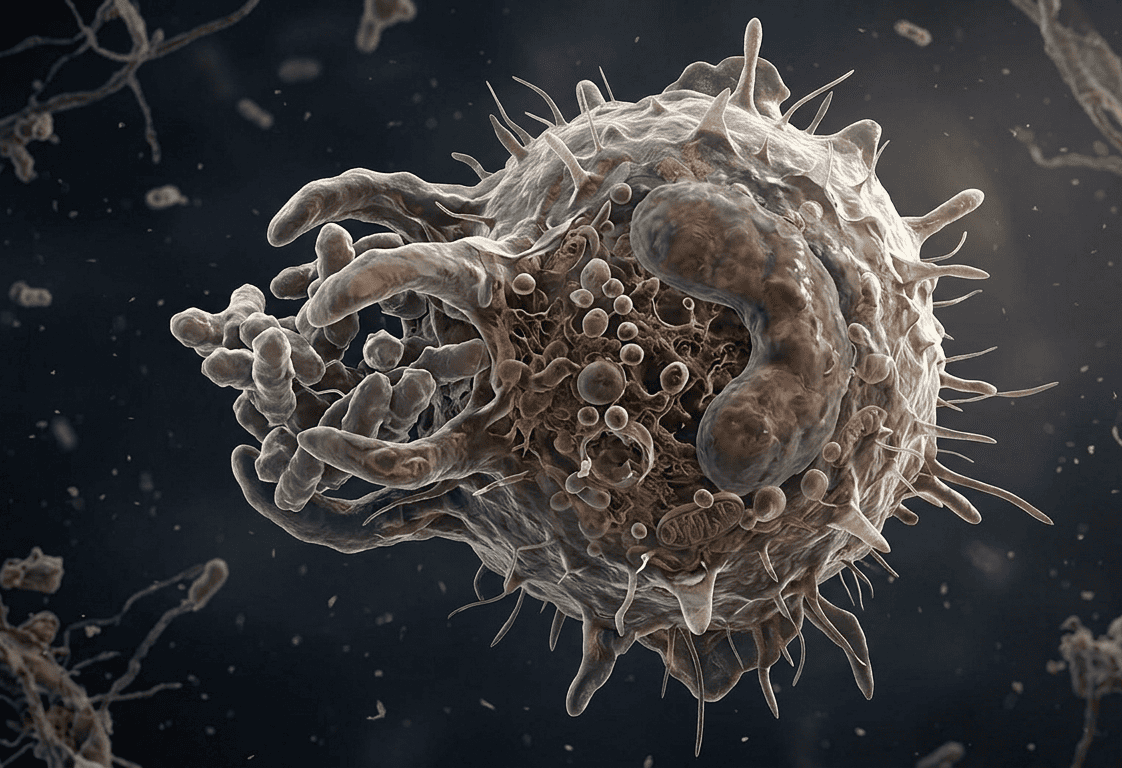
Macrophages (mφ)

They are large white blood cells that participate in both innate and adaptive immunity within the human body. Residing in the vascular system, they circulate through blood vessels and possess the capability to migrate across vascular walls into tissue spaces to phagocytose invading antigens. The primary function of macrophages—operating as fixed or free cells—is to engulf dead cells, cellular debris, and pathogens, as well as to activate other immune cells to accelerate the response time against pathogens.
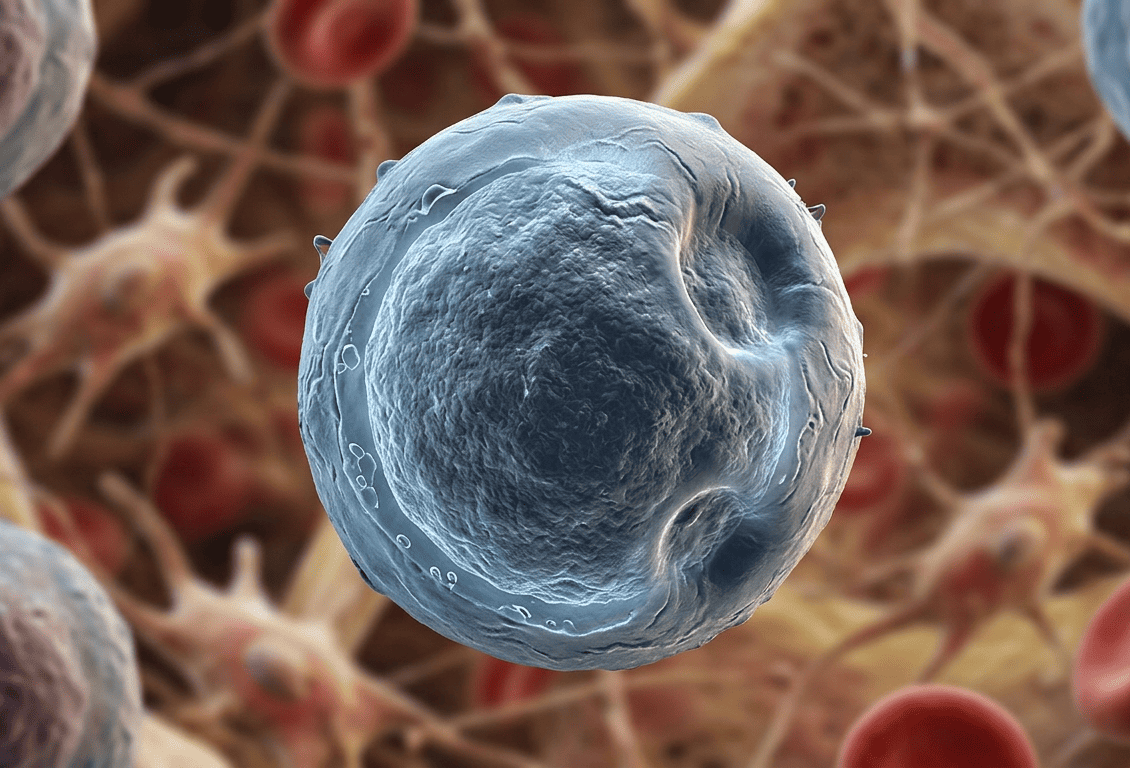
Microscopic image of a dendritic cell

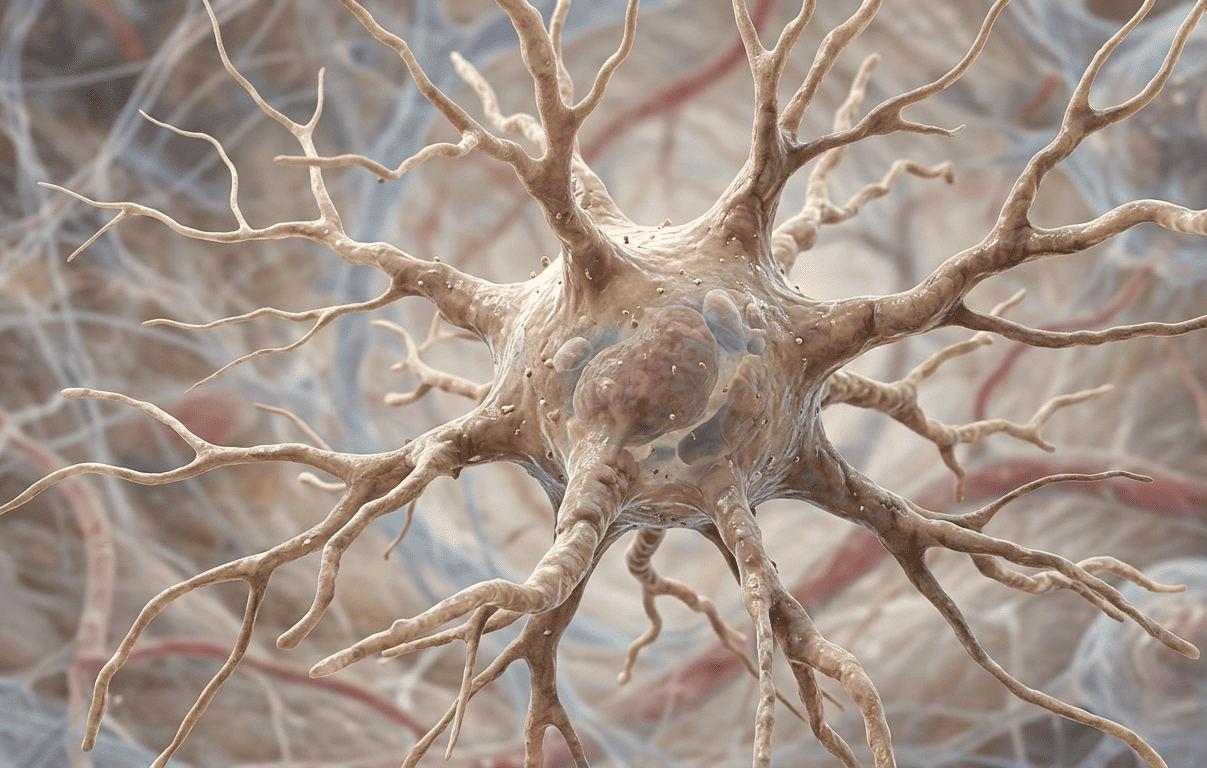
Dendritic Cells (DCs)

Dendritic cells process antigens and present them to lymphocytes, functioning as antigen-presenting cells. Upon reacting with antigens and becoming activated, they interact with T cells and B cells, presenting antigens to T cells to initiate an immune response. In cancer immunotherapy, tumor antigens can be used to stimulate dendritic cells to activate T cells, thereby triggering T-cell-mediated immune responses to attack and eradicate tumor cells.

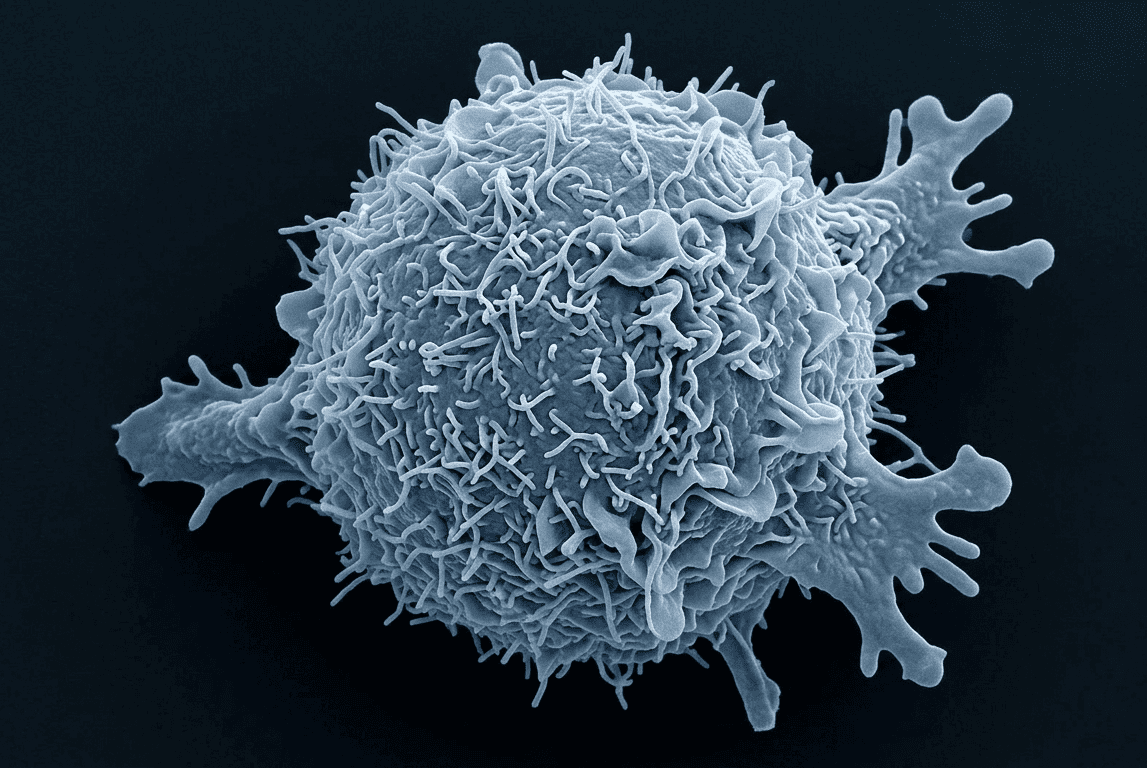
Microscopic image of PCMO cells

Programmable Cells of Monocyte Origin (PCMO)

PCMOs are first derived from monocytes in peripheral blood and subsequently stimulated with additional cytokines or growth factors to differentiate further into a variety of cells spanning all three germ layers, such as neural cells, pancreatic islet cells, hepatocytes, adipocytes, cardiomyocytes, and chondrocytes.

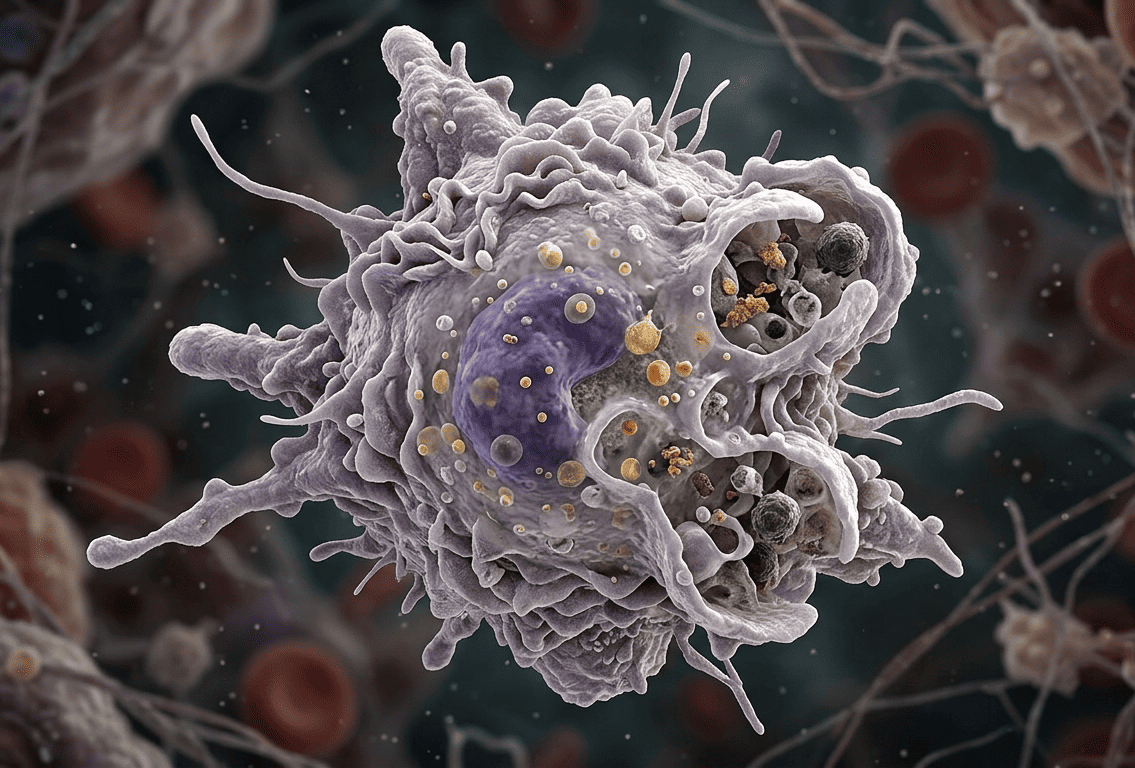
Microscopic image of IFNγ-MdC cells

IFN-γ-Stimulated Monocyte-Derived Cells (IFNγ-MdC)

IFNγ-MdC are a novel population of activated-state macrophages derived from the stimulation of monocytes with IFN-γ. Originating from monocytes in the spleen, blood, and bone marrow, these cells differentiate upon activation by IFN-γ. Consequently, the surface markers and functions of IFNγ-MdC become distinct from conventional macrophages, granting them versatile immunomodulatory capabilities that suppress T-cell activity.