
MEXOCELL
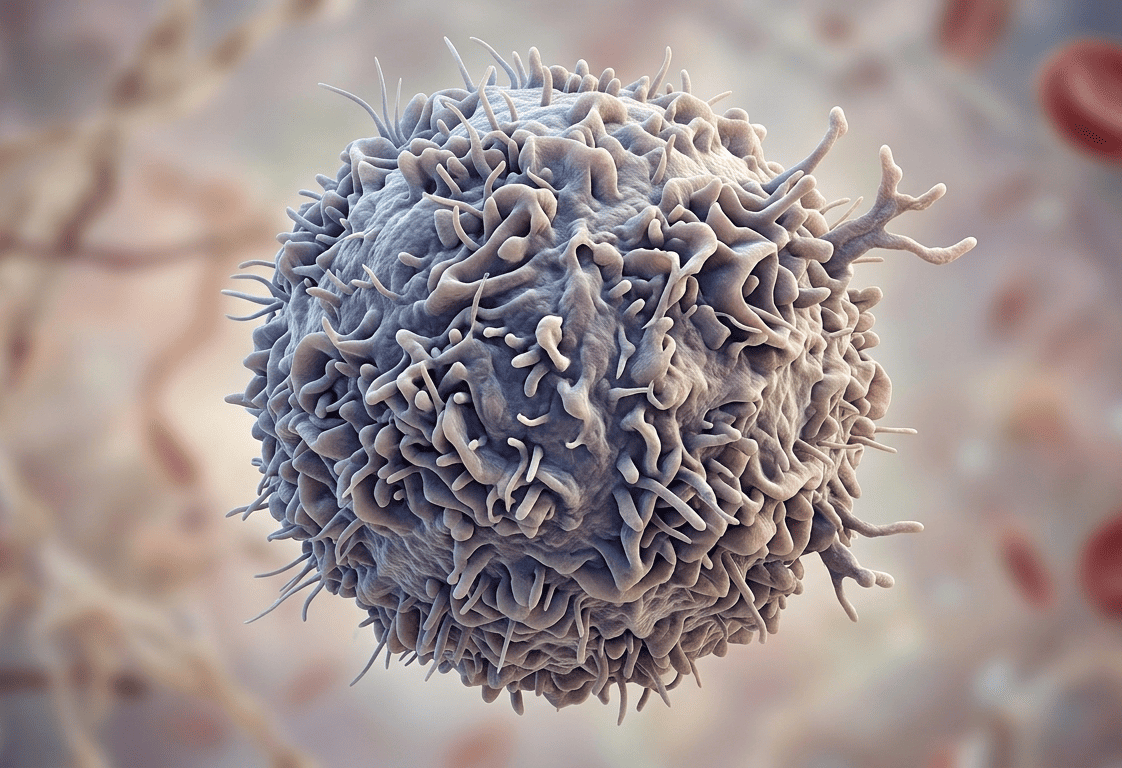
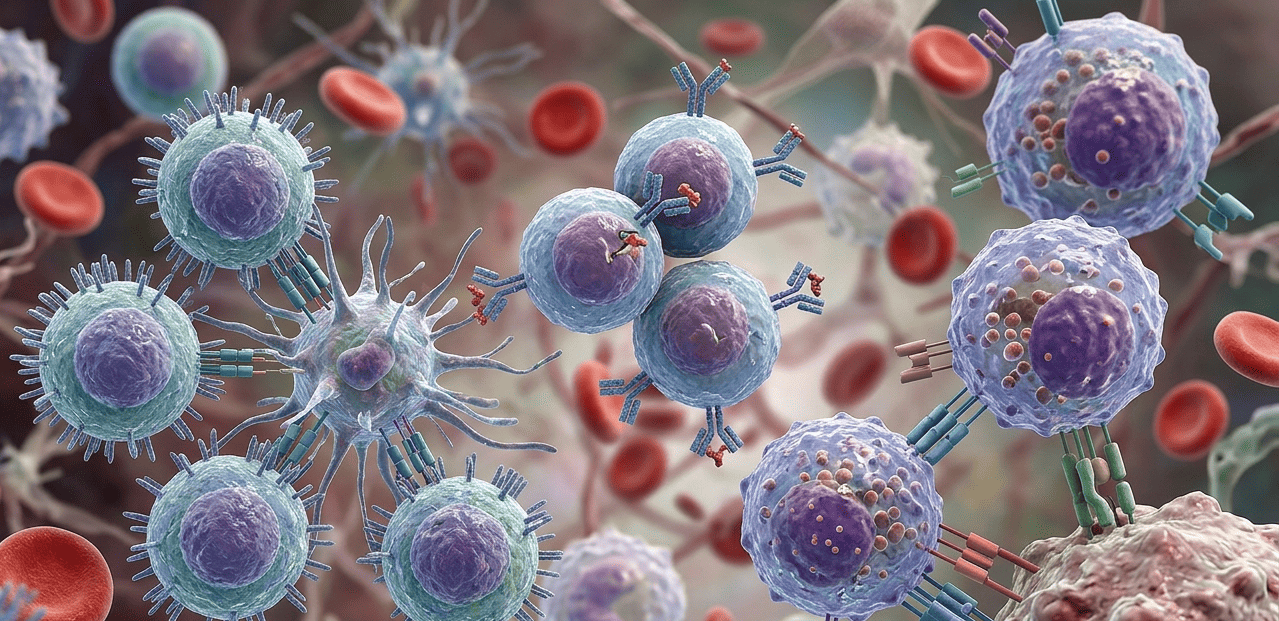
Illustration of T cells, B cells and natural killer cells in blood

Immune Cell Profiling and Analysis

Immune cell profiling

Immune cell profiling is a medical laboratory test that utilizes flow cytometry technology to quantify immune cells in the blood. The human immune system is composed of diverse cell types with distinct functions. By analyzing cell surface antigen markers, this evaluation precisely calculates the absolute counts, relative proportions, and overall activation status of various immune cell populations. Serving as an immunological health assessment to evaluate individual immune defense capacity, periodic monitoring of shifts in immune cell quantities and activity enables medical teams to track a patient's immune function status in real time—thereby achieving the goals of early disease screening, treatment response assessment, and precision health management.

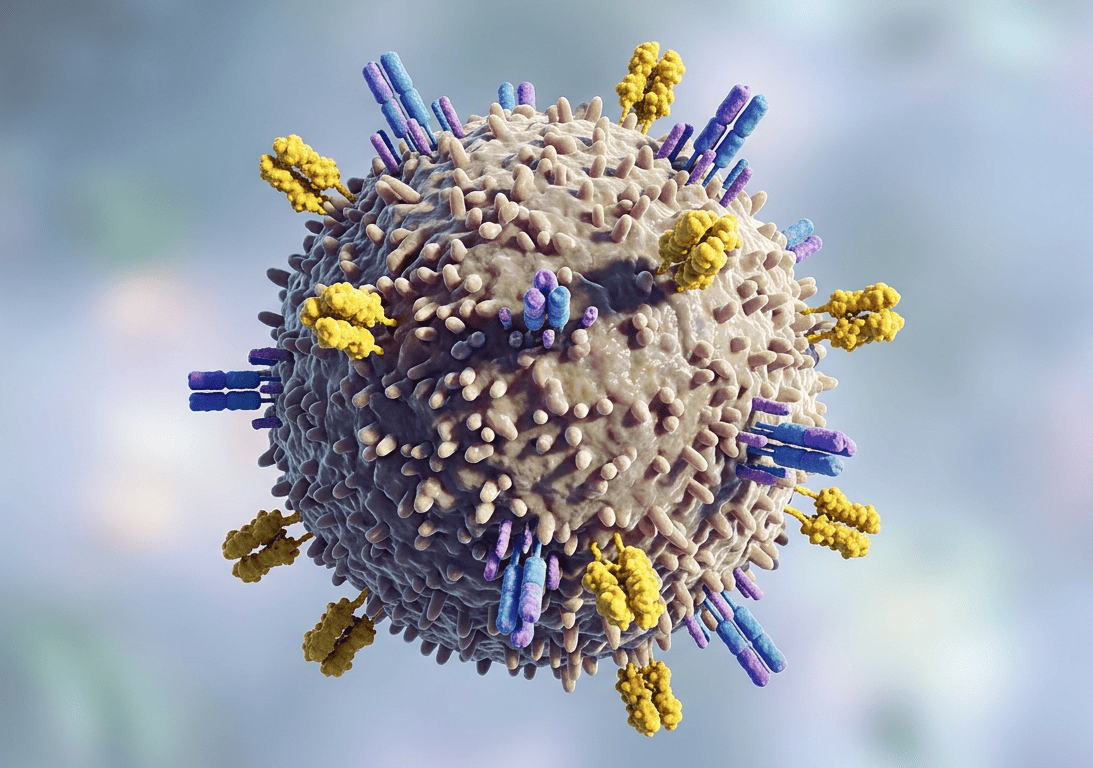
Microscopic image of helper T cells

Helper T Cells

Helper T cells serve as the regulatory hub of the adaptive immune system. Their core function is not to directly destroy pathogens, but rather to recognize antigen signals presented by antigen-presenting cells via their surface receptors. Upon activation, helper T cells secrete large amounts of various cytokines; these chemical signals effectively orchestrate and activate other immune components, thereby amplifying and precisely directing the overall immune defense response.
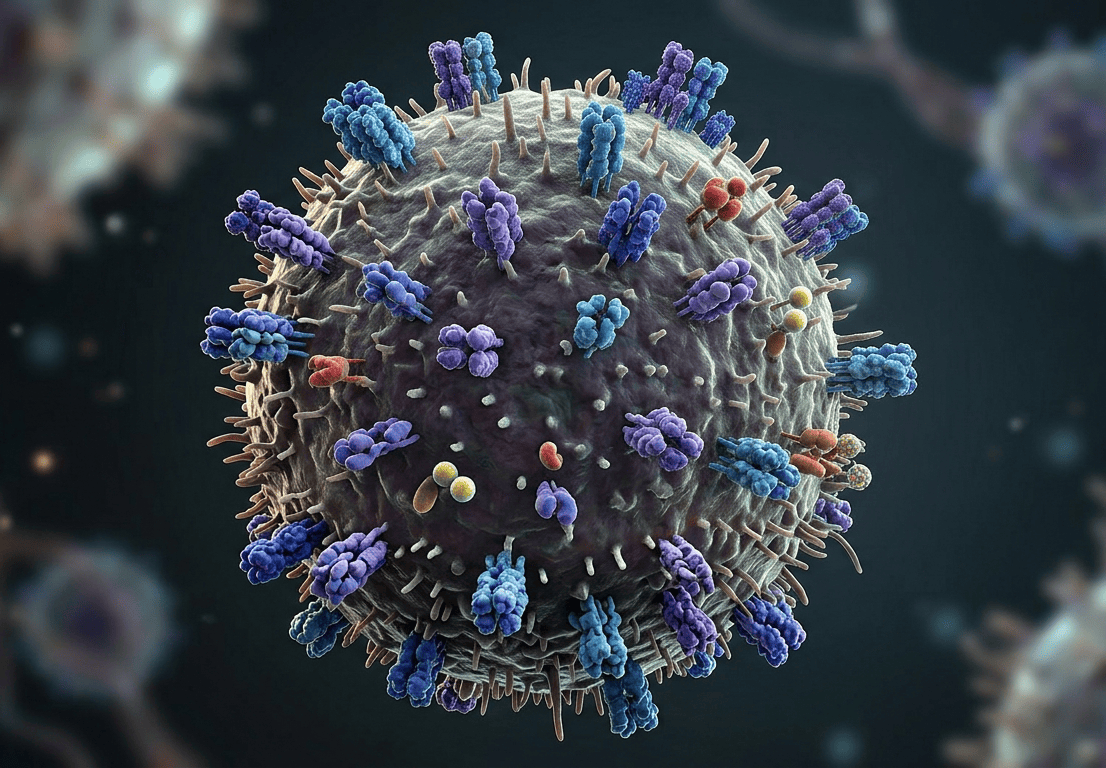
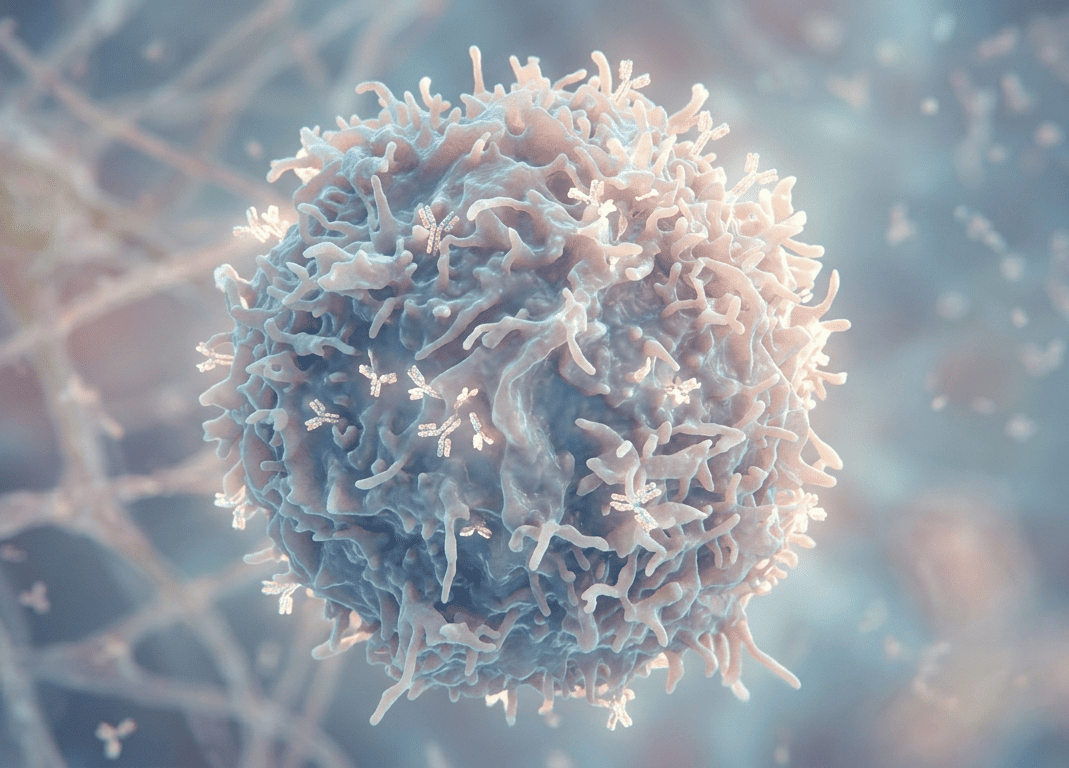
Microscopic image of cytotoxic T cells

Cytotoxic T Cells

Cytotoxic T cells are the primary effectors directly executing clearance tasks in cell-mediated immunity, capable of specifically recognizing virus-infected host cells, foreign substances, or malignant tumor cells. Upon binding to these target cells, cytotoxic T cells release cytotoxic substances such as perforin and granzymes, which directly penetrate the target cell membrane and trigger apoptosis—thereby completely eliminating intracellular pathogens or cancerous cells.

Microscopic image of B cells

B Cells

B cells are core participants in the humoral immune system. When their surface receptors bind to specific antigens and receive activation signals, they proliferate and differentiate into plasma cells. These plasma cells synthesize and secrete large quantities of highly specific antibodies into the bloodstream and bodily fluids. Upon binding to pathogens or toxins, these antibodies neutralize their infectious capacity and mark the pathogens for subsequent phagocytosis and clearance.

Microscopic image of natural killer cells

Natural Killer Cells (NK Cells)

Natural killer cells constitute the first line of defense in the innate immune system, possessing immediate-response capabilities. By surveying activation and inhibitory signals on cell surfaces, they patrol and identify early-stage tumor cells or virus-infected cells displaying abnormal surface molecules. Once locked onto a target, NK cells release cytotoxic substances within hours to directly induce apoptosis in these diseased cells.